 ← Back to Insights
Why 2025–2027 Is Oman Real Estate's Dubai 2004 Moment
Key Takeaways
- Oman today looks a lot like Dubai did back in 2004 — before the skyline, right after freehold ownership opened to foreigners.
- Two credit rating upgrades (Moody's Baa3, Fitch BBB−) and 19 licensed ITCs worth OMR 4.376 billion point to real momentum, not just marketing.
- This is a 7–10 year story, not a quick flip. Off-plan risk and thin liquidity are real, and we're not going to pretend otherwise.
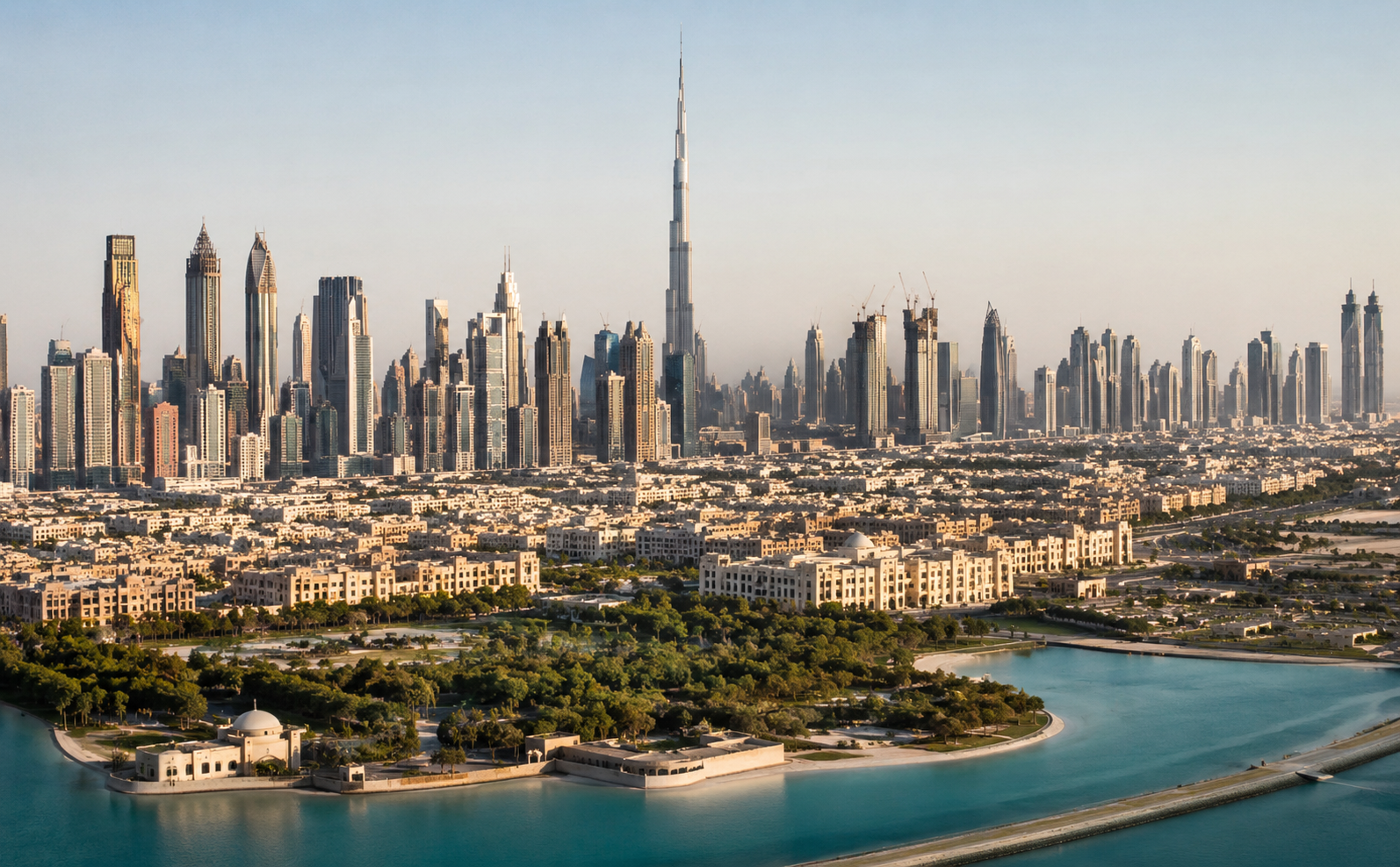
Picture Dubai in 2004. No Burj Khalifa. No Palm Jumeirah skyline shot on every travel blog. Just a government that had recently opened freehold property to foreigners, and a small group of investors betting the plan would actually work.
We think Oman is having its own version of that moment right now. Not identical — we'll get to the differences — but close enough that it's worth paying attention.
So what actually happened in Dubai?
It wasn't luck. Dubai followed a fairly deliberate playbook: diversify away from oil, let foreigners actually own property instead of just leasing it, pour money into infrastructure, and give tourists and expats a reason to show up and stay. Oman's Vision 2040 is running the same playbook — just a decade or two later, and noticeably more cautiously.
That caution is actually a point in Oman's favour. Dubai grew fast and got hit hard when the 2008 crash exposed how much of that growth was built on debt and speculation. Oman's approach so far has been slower and more deliberate — less exciting headlines, but also less risk of the kind of correction Dubai went through.
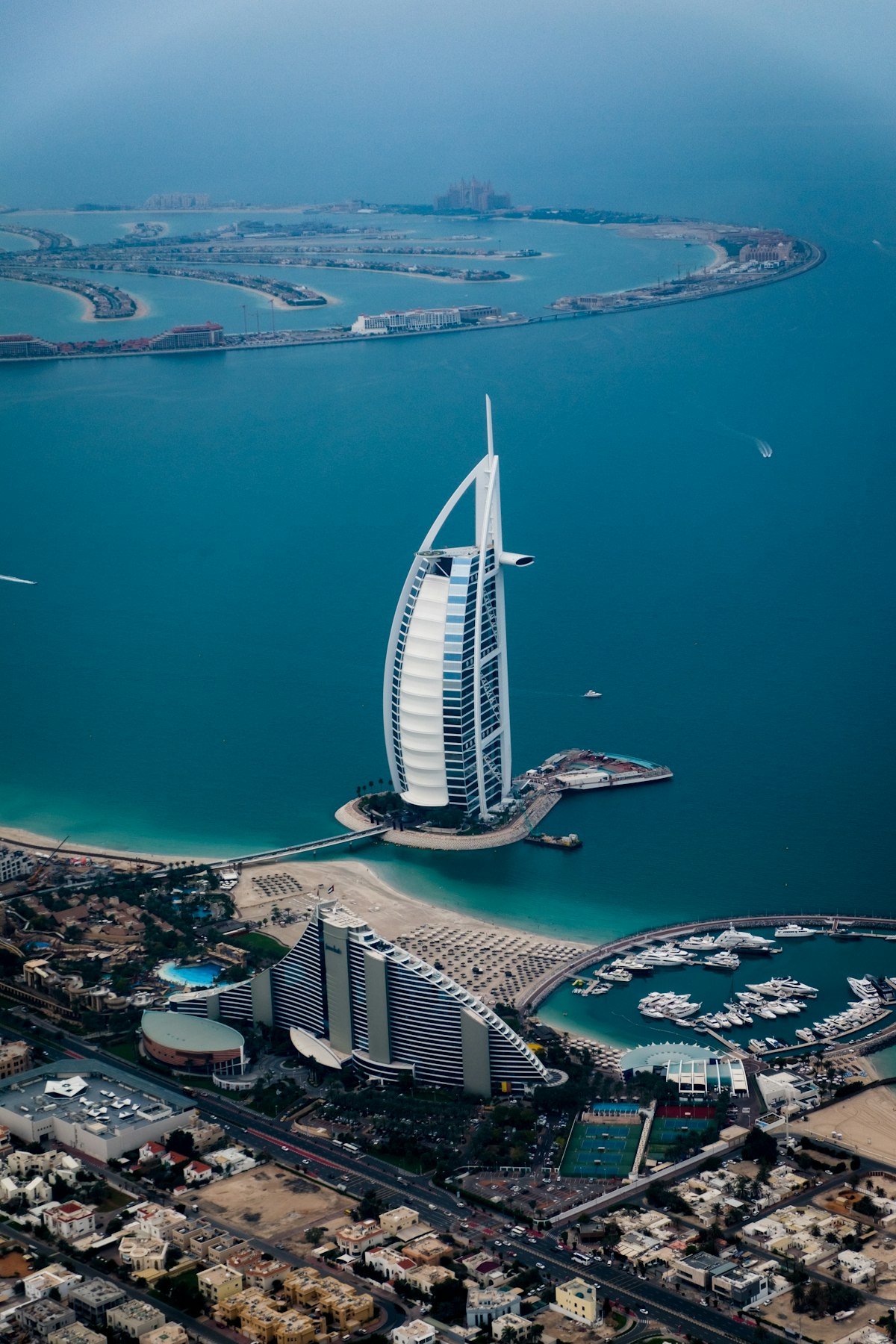
Muscat's coastline is home to several of Oman's flagship ITC freehold developments.
What's changed recently — and why it matters
Two things happened back to back that don't usually make headlines outside finance circles, but they matter more than most people realise. Moody's confirmed Oman's Baa3 investment-grade rating in 2025. Then Fitch went a step further and upgraded Oman to BBB− in December 2025.
Here's why that's not just a line for economists to argue about: investment-grade status is the line that decides whether big institutional money — pension funds, insurers — is even allowed to invest in a country. Cross that line, and the pool of capital that can legally flow in gets a lot bigger. It also tends to lower what the government itself pays to borrow, freeing up money for the roads, rail, and utilities that make property worth owning in the first place.
On the ground, that's showing up as 19 licensed ITCs — Integrated Tourism Complexes, the zones where foreigners can actually own freehold property — with a combined OMR 4.376 billion currently being built out.
Early buyers in Dubai's 2004 window weren't betting on a sure thing. They were betting on a probability the rest of the market hadn't priced in yet.
The part we won't sugarcoat
Not every project in Oman is a good investment, and anyone telling you otherwise is selling, not advising. Off-plan developments carry real construction risk — timelines slip, sometimes by years. And if you ever need to sell quickly, Oman's resale market moves slower than Dubai's or London's, especially outside well-established communities like Al Mouj.
We tell every client the same thing: this only really makes sense as a 7 to 10 year hold. If you're after something to flip in 18 months, Oman probably isn't it right now — and we'd rather tell you that upfront than after you've bought.
What this actually means for you
If the Dubai parallel holds even loosely, the properties worth owning a decade from now are being priced today as if that future hasn't happened yet. That's the honest case for looking now, carefully — with real ROI and IRR numbers in front of you, not just a nice brochure.
Want this analysis applied to your own numbers?
Tell us your budget and goals — we'll send a free, independent ROI, IRR, and risk report for the project you're considering.
Quick Questions
What is Oman's current sovereign credit rating?
Moody's confirmed Oman at Baa3 investment grade in 2025, and Fitch upgraded Oman to BBB− in December 2025 — both citing improved fiscal discipline and progress on Vision 2040.
How does Oman's real estate market compare to Dubai's?
Oman's ITC market is at an earlier, more gradual stage than Dubai's — lower entry prices and less built-out infrastructure in some zones, but also less exposure to the oversupply cycles Dubai went through in the past.
What does Oman's Vision 2040 mean for property investors?
Vision 2040 is Oman's national economic diversification plan, and it's the driving force behind ITC expansion, infrastructure like the Muscat Metro and Hafeet Rail, and the tourism and residency policies that support long-term property demand.